The ADHD assessment process typically follows a structured approach to ensure the evaluation is comprehensive, consistent, and impartial. The following is a framework so you can know what to expect.
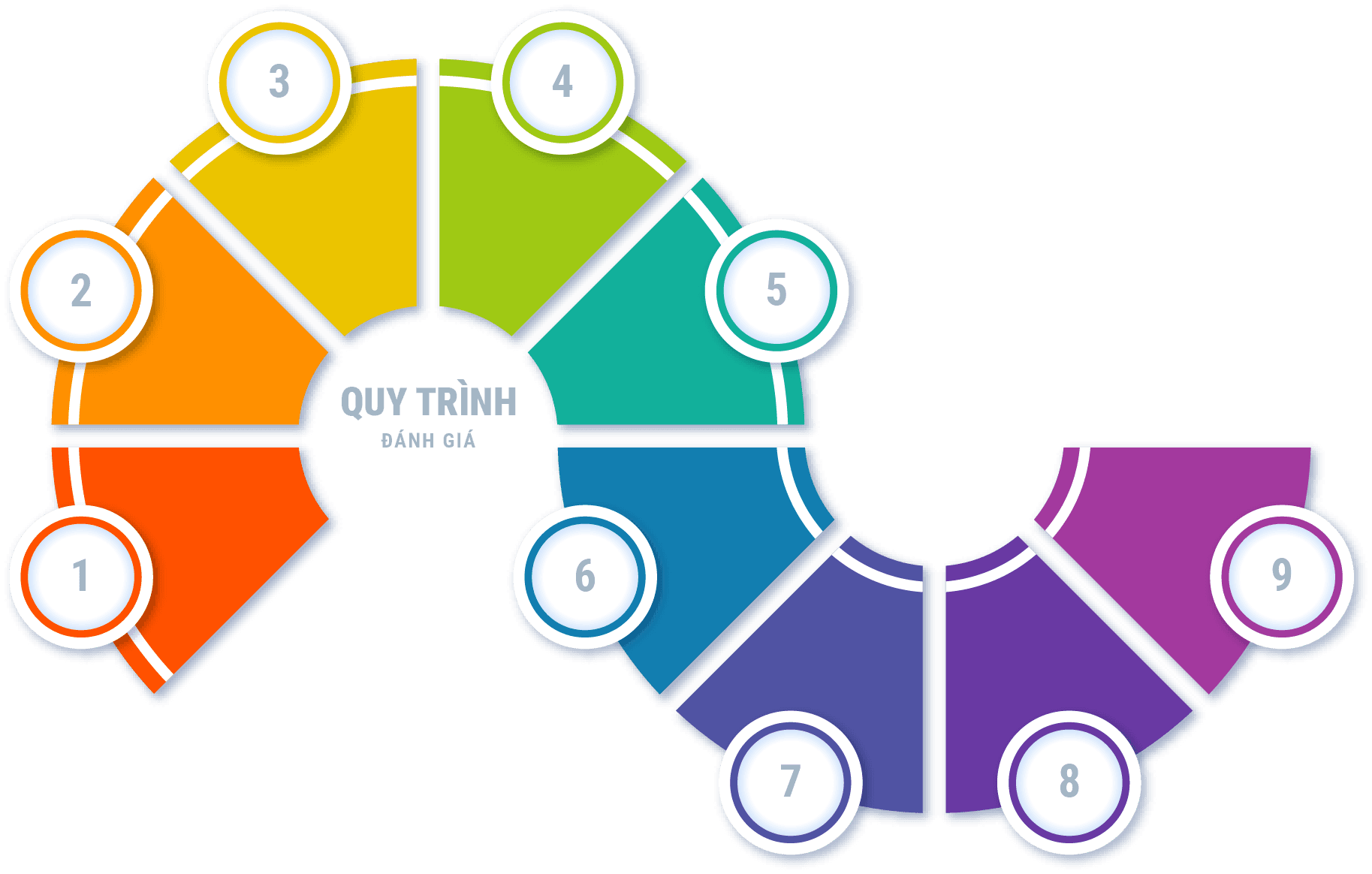

The ADHD assessment process typically follows a structured approach to ensure the evaluation is comprehensive, consistent, and impartial. The following is a framework so you can know what to expect.
Meet with a healthcare professional (e.g., GP, paediatrician, psychologist) to discuss concerns and background information.
The clinician gathers a brief history of development, behaviour, medical issues, academic performance, and family history.
If the first clinician is not equipped to perform a full assessment, they may refer the individual to a specialist, such as a psychologist, psychiatrist, paediatrician, or neuropsychologist experienced in diagnosing ADHD.
Collect detailed information from multiple sources:
Complete ADHD-specific checklists and rating scales (e.g., Conners 3, Vanderbilt Assessment Scales) to objectively measure symptoms of inattention, hyperactivity, and impulsivity.
Conduct structured or semi-structured interviews with the individual and caregivers to explore the pattern, severity, and impact of symptoms over time and across different settings.
Some assessments include one-on-one sessions with the child to assess cognitive functioning, attention, memory, executive function, and emotional regulation.
The clinician must check if the symptoms could be better explained by other conditions, such as learning disabilities, anxiety, depression, autism spectrum disorder, or other medical issues.
A diagnosis is made if the individual meets the diagnostic criteria for ADHD as outlined in the DSM-5 (Diagnostic and Statistical Manual of Mental Disorders, Fifth Edition). Symptoms must appear in more than one setting (e.g., home and school), impair daily functioning, and have started before the age of 12.
The clinician provides feedback to the individual and/or family, explains the findings, discusses the diagnosis (if applicable), and answers any questions.
A detailed report summarising the assessment results, diagnosis, and tailored recommendations (for school, home, work, or therapy) is provided. The report may also include referrals for additional support and information about medication options if appropriate.